
Begin with the problem you want to solve
Bring specific examples: a tooth that looks darker in photographs, an edge that has chipped, or a gap you notice when you smile. Explain what bothers you and what you would prefer to keep. The aim is a result that suits your face and your preferences, with a plan you understand.
Your dentist also needs to examine the health of your teeth and gums. Decay, gum inflammation and bite problems can affect the choice and timing of cosmetic work. Appearance is one part of the decision; preserving healthy tooth structure and a comfortable bite also matters.
How the main options differ
Whitening changes the shade of natural teeth. It does not reshape a tooth or straighten its position. Existing crowns, fillings and veneers do not lighten in the same way, so visible restorations need to be considered when choosing a shade.
Bonding uses tooth-colored resin to alter a small area of shape or repair selected defects. Veneers cover the front of a tooth and can change its appearance more extensively. Veneer treatment often involves enamel removal, which makes the decision a long-term commitment.
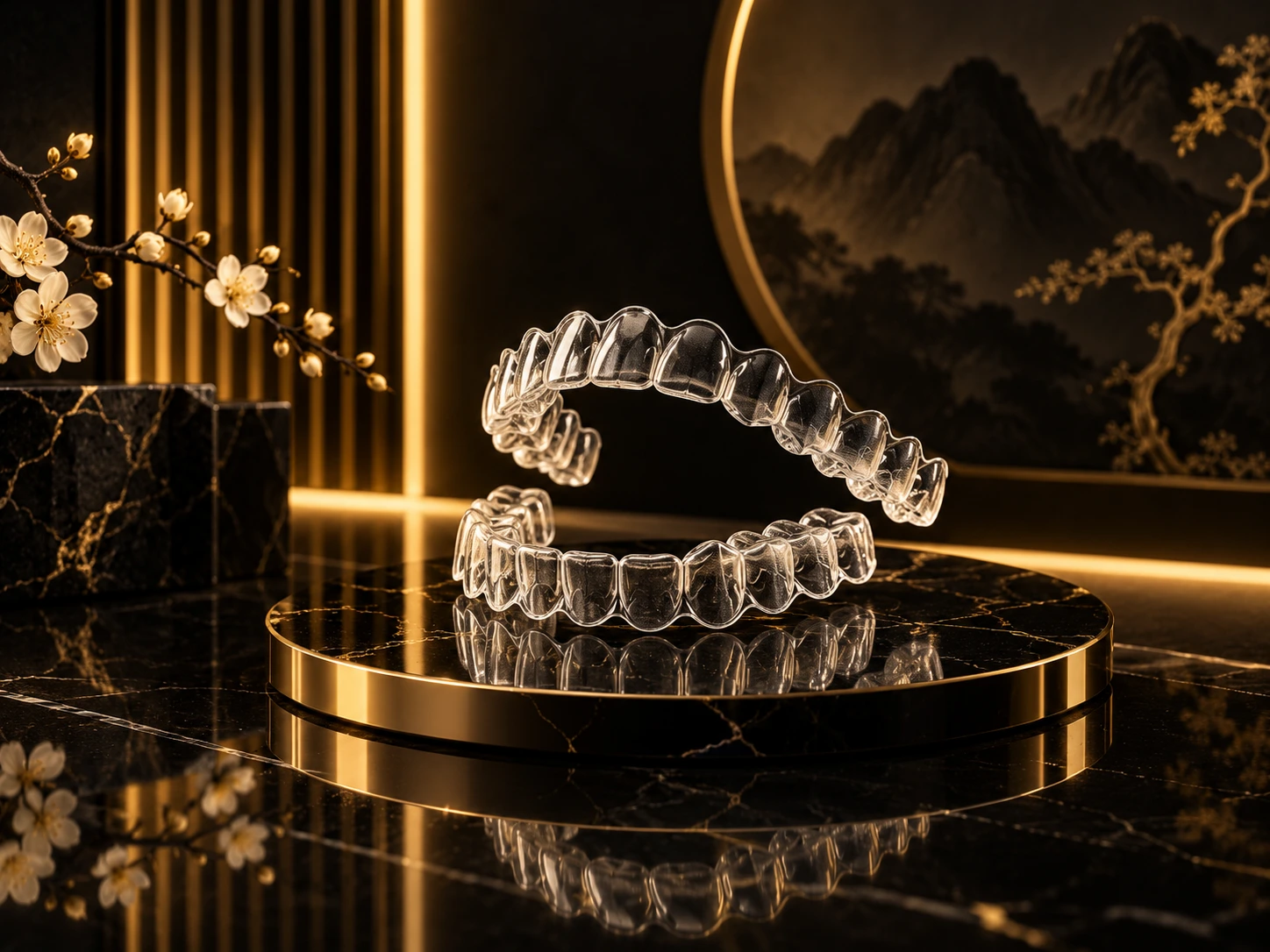
Clear aligners move teeth rather than covering their surfaces. They can be appropriate when position or spacing is the main concern. Your dentist can explain whether a single treatment or a staged combination makes more sense.
Make the sequence clear before starting
Ask to see the order of the proposed steps. If your plan includes whitening and new restorations, shade decisions need to be coordinated. If it includes alignment, allow for the time needed to move teeth and maintain the result.
You should know which changes are reversible, which involve removing tooth structure, and which may need maintenance or replacement later. Ask what can reasonably be achieved with a smaller intervention before committing to a larger plan.
Cost, maintenance and realistic expectations
An estimate should identify the teeth involved, the treatment proposed and the appointments included. Ask how follow-up care and possible future repairs are handled. Cosmetic work is often not covered by dental insurance, but coverage should be checked for your particular plan.
Your own photographs, examination and discussion with the dentist help establish what can reasonably be achieved. Talk through the proposed changes before deciding on treatment.
Questions patients ask
Do I need veneers to improve my smile?
Not necessarily. Whitening, bonding or alignment may address your concern with a different level of treatment. The right starting point is an examination and a clear description of what you would like to change.
Will whitening change my crowns or fillings?
Whitening does not reliably lighten restorative materials. Your dentist can discuss whether existing visible restorations may look different after your natural teeth are whitened.
Can I keep my teeth looking natural?
Discuss your preferred shade and shape before treatment. Bring examples if that helps, but also explain what you do not want. A treatment plan should reflect your preferences and the condition of your teeth.
More information for your visit
Find practical explanations of dental treatments, oral health and the questions to bring to your appointment.
Read our dental services & oral health guide →