Choosing a full or partial denture
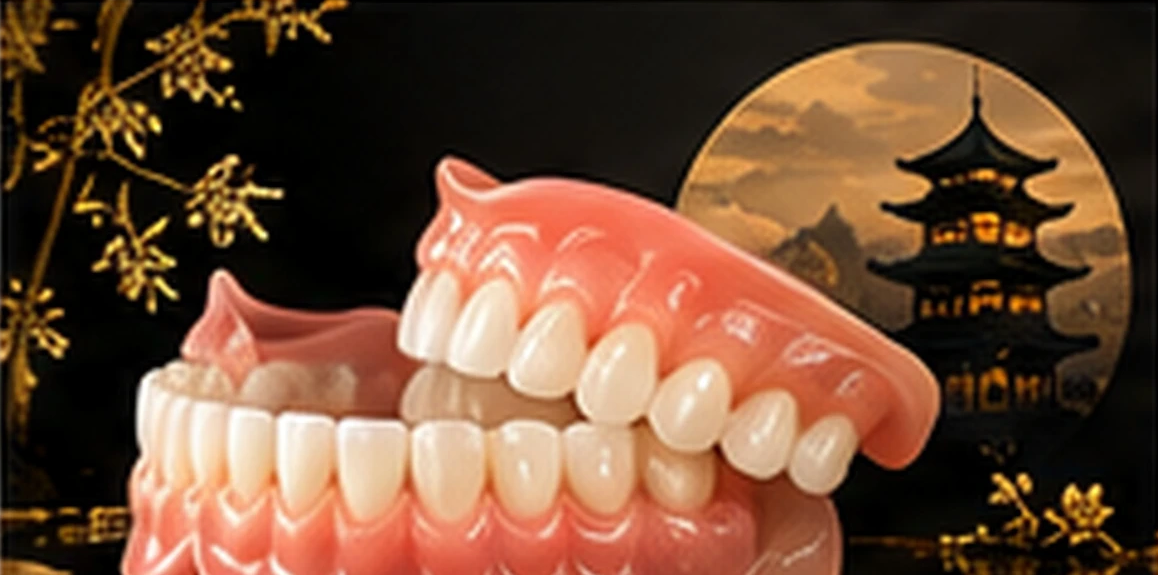
A full denture replaces all the teeth in an upper or lower arch. A partial denture replaces some teeth and is designed around the ones that remain. Certain dentures can gain support from implants, but that requires a separate assessment and treatment plan.
Bring your current denture if you have one, even if it is damaged or uncomfortable. Explain what you can and cannot eat, where it rubs, and whether you are concerned about speech or appearance. Those details help the dentist understand what needs to change.
Fitting takes assessment and adjustment
Treatment may involve impressions or other records, bite measurements, trial stages and a delivery visit. When teeth need to be removed, the timing of the denture must account for healing. An immediate denture may need further adjustment or relining as tissues change.
New dentures can feel unfamiliar. Follow-up visits allow the dentist to identify pressure areas and check function. Persistent soreness is a reason to contact the practice rather than trying to reshape the appliance yourself.
Daily care matters
Clean the denture with suitable products and follow the instructions for storage and wearing time. Your gums, tongue and any remaining teeth also need care. Avoid household glue or do-it-yourself repairs, which can damage the denture and complicate a proper repair.
Even when you have no natural teeth, examinations remain useful for checking the tissues and the fit of the denture. Changes in your mouth can make an appliance that once fitted well become loose.
Compare the complete treatment plan
Ask whether the estimate includes trial appointments, adjustments, extractions or future relining. Discuss any limitations you experienced with a previous denture, and ask which alternatives are reasonable in your situation.
If an implant-supported option is proposed, clarify the surgical stages, the type of attachment and how the appliance will be cleaned. It should be clear which work is included and what maintenance it will require.
Questions patients ask
Can a loose denture be adjusted?
Often it can be assessed for adjustment, relining or replacement. The dentist needs to check both the appliance and your mouth before recommending a solution.
Can I repair a broken denture at home?
Contact the practice rather than using household glue or filing the appliance. Bring all the pieces so the dentist can determine whether a proper repair is possible.
Will I still need dental visits?
Yes. Visits allow the dentist to examine your mouth, assess the denture and look after any remaining teeth.
More information for your visit
Find practical explanations of dental treatments, oral health and the questions to bring to your appointment.
Read our dental services & oral health guide →