What an implant replaces
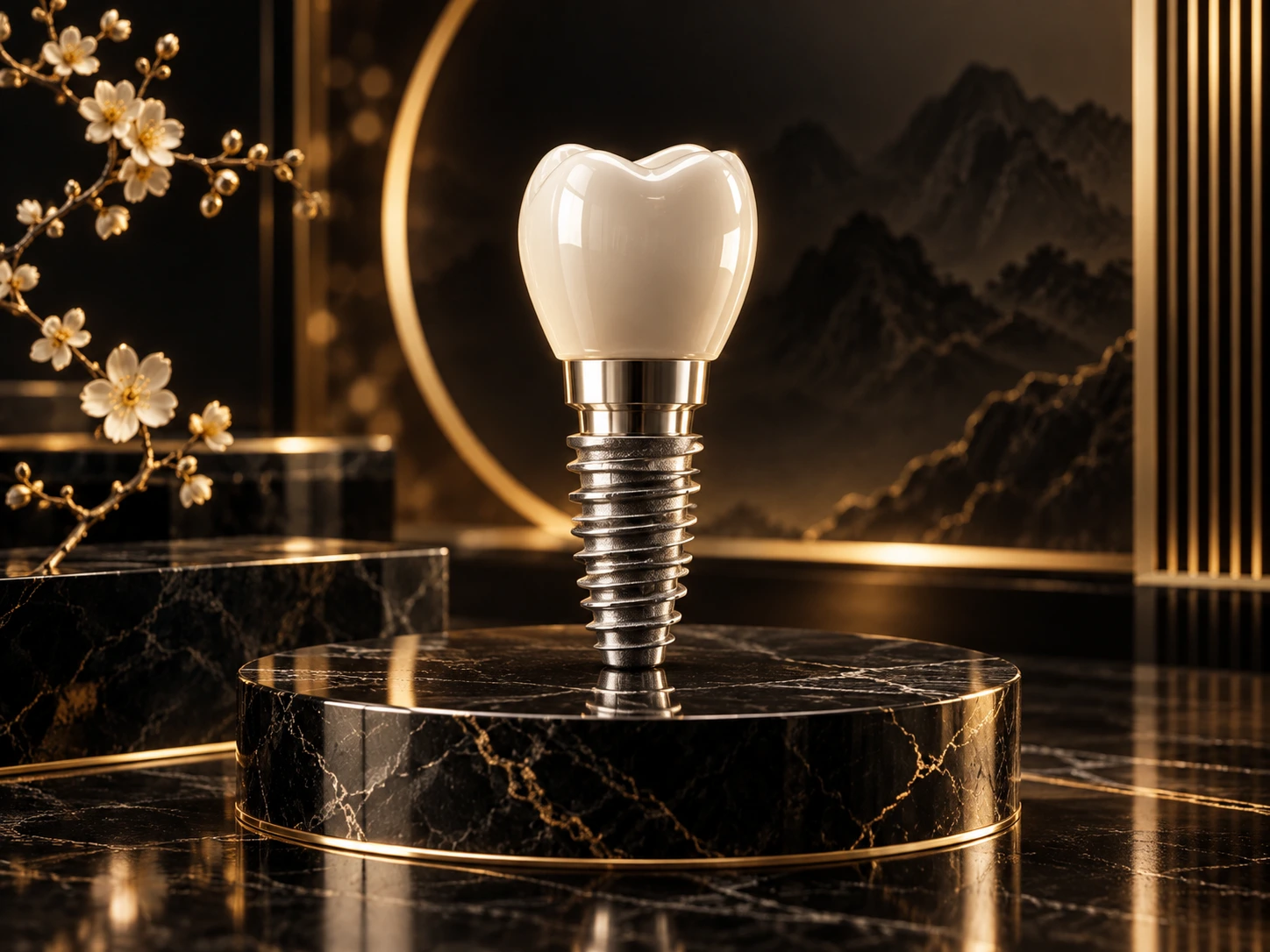
An implant is placed in the jawbone to act as a replacement tooth root. A connector and restoration are then attached. For one missing tooth, that restoration is usually a crown. Depending on the treatment plan, implants can also support a bridge or a denture.
The implant and the visible tooth are separate parts. That distinction matters when discussing cost, maintenance and repairs. Ask whether an estimate includes the implant placement, connector, final restoration and any preliminary procedures.
Who may be a candidate
The dentist evaluates the available bone, gum health, remaining teeth and bite. Your medical history and medicines also matter. Tobacco use and some health conditions can affect healing; they should be discussed openly rather than treated as an afterthought.
If there is not enough bone in the planned area, grafting may be considered. Some patients need gum treatment or another procedure first. An examination can also establish whether a bridge or removable denture would better fit your situation.
How treatment is usually staged
Treatment begins with an assessment and imaging when indicated. The plan identifies the location of the implant, the restoration it will support and any preparation that is needed. Surgical placement is followed by healing, during which the bone integrates with the implant.
The final tooth is fitted when the implant is ready to support it. The overall process can take several months, especially when extraction, grafting or additional healing is involved. Immediate placement or an immediate temporary tooth is suitable only in selected cases; it is not a standard promise for every patient.
Before starting, ask what you will wear or use during healing, how many visits are expected, and who will perform each stage. You should be able to distinguish the proposed surgical treatment from the later restorative appointments.
Looking after an implant
Implants need daily cleaning and professional follow-up. Although the implant itself cannot develop a cavity, the tissues around it still need attention. The crown or other restoration can also wear, chip or loosen.
Contact the practice if an implant restoration feels mobile, your bite changes, or you notice persistent soreness, swelling or bleeding. Long-term success depends on the treatment plan, healing, maintenance and individual risk factors. The restoration may need maintenance or replacement over time.
Questions patients ask
Is an implant the same as a dental crown?
No. The implant replaces the root in the jawbone. The crown is the visible replacement tooth that attaches through a connector. Both parts should be explained in your treatment plan.
Can the tooth be replaced in one visit?
Some patients qualify for accelerated treatment, but many need staged care and months of healing. Ask what is appropriate for your specific site and what a same-day treatment would actually include.
How much will my implant treatment cost?
The total depends on the site, imaging, surgery, any grafting, and the type of final restoration. Request an itemized estimate after your evaluation rather than comparing prices for an unspecified “implant.”
More information for your visit
Find practical explanations of dental treatments, oral health and the questions to bring to your appointment.
Read our dental services & oral health guide →