
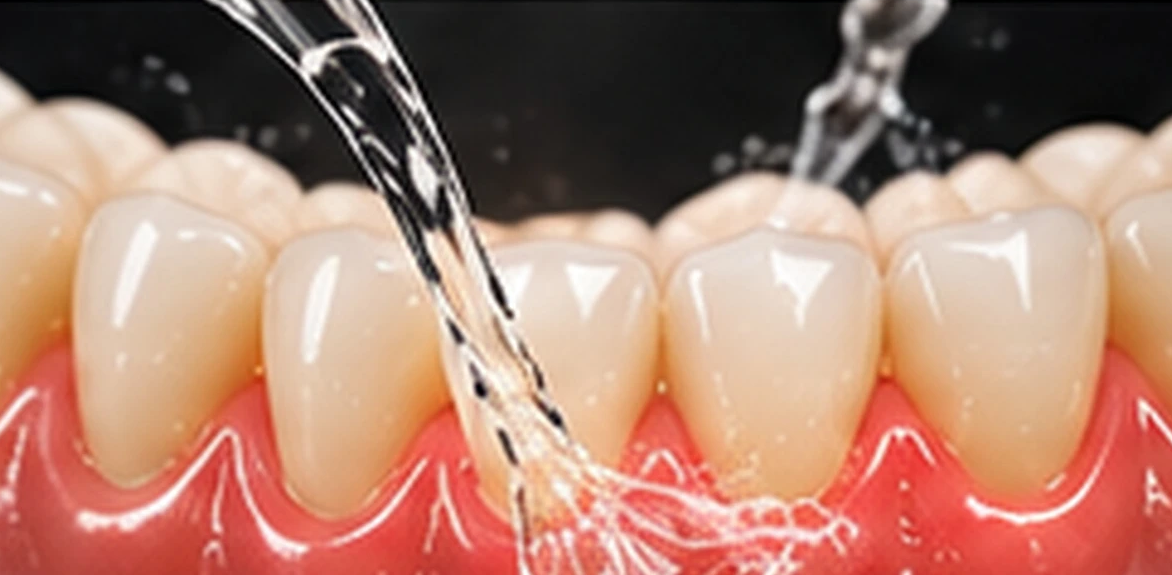
What the dentist checks
Gum assessment considers inflammation, bleeding, the depth of the spaces around teeth and the condition of the supporting bone. X-rays may provide additional information. The findings help determine whether you need routine preventive care or periodontal treatment.
Tell your dentist about tobacco use, diabetes and medicines that affect your mouth. These details are relevant to planning and maintenance. Also mention a loose tooth, gum recession, bad breath that persists, or a change in how your teeth meet.
Gingivitis and periodontitis are different
Gingivitis affects the gums and can often be reversed with appropriate care. Periodontitis involves damage to the supporting tissues, including bone. That damage is not reversed by brushing alone, but professional treatment can help control the disease.
The diagnosis matters because it changes the purpose and type of treatment. Ask which condition the dentist has found and what the measurements or images show.
Treatment and follow-up
Scaling and root planing, sometimes called a deep cleaning, removes deposits from below the gumline and root surfaces. Additional treatment or a specialist assessment may be recommended when needed. A routine cleaning is not a substitute for treating established periodontal disease.
Follow-up visits evaluate the response and help maintain the result. Your maintenance schedule may differ from a standard cleaning interval. Ask which areas need particular attention at home and how the team will check whether treatment is working.
Practical questions to bring to your visit
Ask whether treatment is planned by area or across the whole mouth, how comfort will be managed, and which appointments are included in the estimate. If you have insurance, confirm how periodontal services are covered rather than assuming they are billed like a routine cleaning.
Keep follow-up appointments even if your gums start to feel better. Symptoms alone do not tell the whole story. The dentist needs to reassess the tissues and explain the next stage of care.
Questions patients ask
Should I stop brushing if my gums bleed?
Do not assume bleeding means you should stop cleaning. Use gentle technique and arrange a dental assessment for persistent bleeding; the dentist can show you how to clean the affected areas.
Is a deep cleaning the same as a regular cleaning?
No. It treats deposits and disease below the gumline and is recommended for specific findings. Ask why it has been recommended in your case.
Will I need more frequent visits?
You may. The recommended interval depends on disease severity, treatment response and risk factors. Ask for the reason behind your schedule.
More information for your visit
Find practical explanations of dental treatments, oral health and the questions to bring to your appointment.
Read our dental services & oral health guide →